
How to Track and Manage Storage Container Inventory
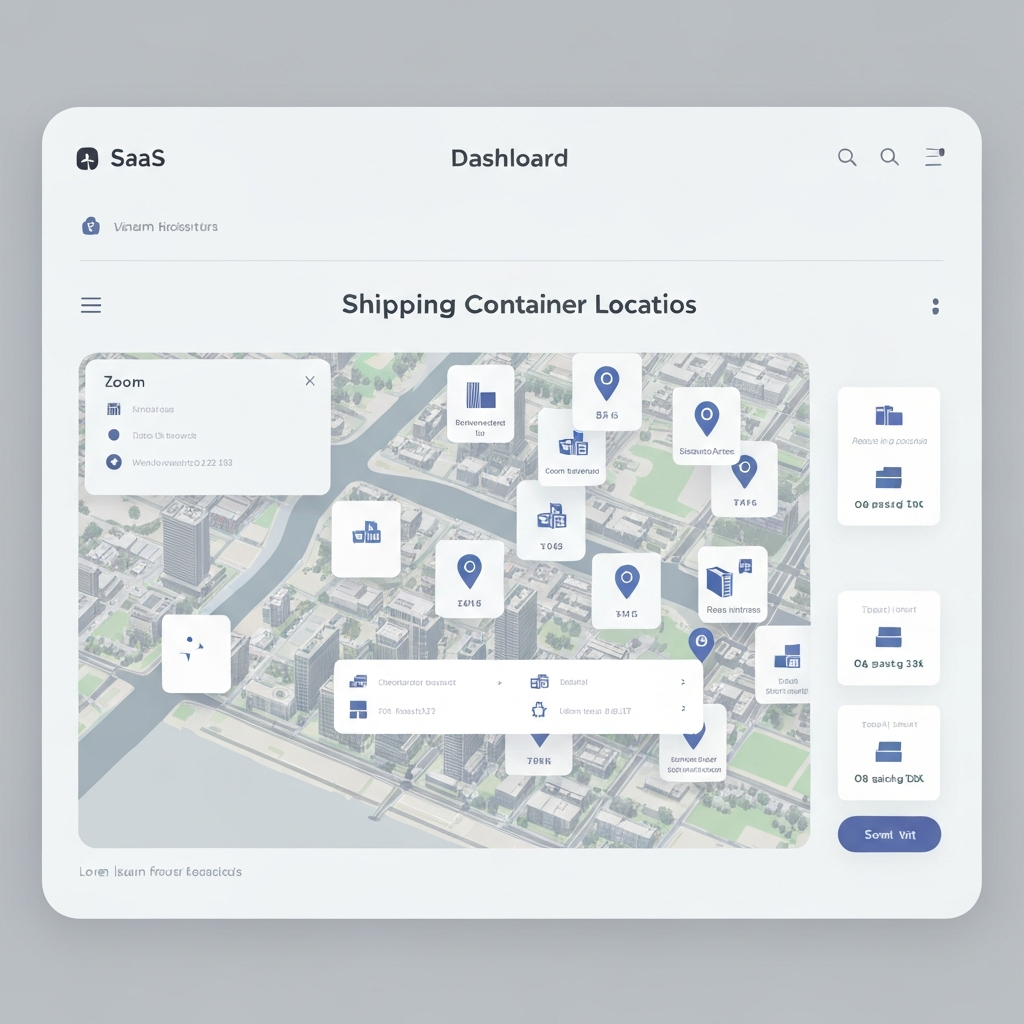
When you own a fleet of storage containers, your inventory is your lifeblood. Every container sitting empty in your yard represents lost revenue, while every container you can't locate represents a massive liability. As your business grows from 10 containers to 100, and eventually to 1,000, manual tracking methods will inevitably fail.
Effective inventory management ensures you know exactly what assets you have, where they are deployed, their current condition, and when they will be available for the next rental. Here is how to master storage container inventory tracking.
The Dangers of Manual Inventory Tracking
Many operators start by tracking their containers on a whiteboard or an Excel spreadsheet. While this works for the first few units, it quickly becomes a bottleneck. The dangers include:
- Double Booking: Promising a container to a customer, only to realize your spreadsheet was outdated and you have no available units.
- Lost Assets: Forgetting to pick up a container after a rental ends, essentially abandoning a $3,000 asset.
- Maintenance Neglect: Failing to track which containers have roof leaks, damaged doors, or rust issues, leading to poor customer experiences.
Core Elements of Container Tracking
To manage your fleet effectively, you need a system that tracks several key data points for every single unit.
1. Unique Identification (Asset IDs)
Every container must have a unique identifier. Relying on the original shipping line number (the 4-letter, 7-digit code) is standard, but many companies also assign their own internal asset IDs. These IDs should be prominently painted or decaled on multiple sides of the container so drivers can easily identify them in a crowded yard.
2. Real-Time Status Tracking
At any given moment, you need to know the status of every container. Common statuses include:
- Available: In the yard, clean, and ready to rent.
- On Rent: Deployed at a customer site.
- Scheduled for Delivery: Reserved for a customer and awaiting dispatch.
- Scheduled for Pickup: Rental has ended, awaiting driver retrieval.
- Maintenance/Damaged: In the yard but unavailable due to needed repairs.
3. Location Tracking
You must know the exact physical location of deployed units. This isn't just an address; it should be GPS coordinates. Construction sites are massive, and knowing exactly where the container was dropped saves drivers hours of searching during pickup.
Ditch the Spreadsheets
If you want to automate scheduling, inventory tracking, and billing, check out our Storage Container Rental Software. See your entire fleet on a real-time map, track maintenance history, and never lose an asset again.
See the Tracking DashboardManaging Container Condition and Maintenance
A container's condition dictates its rental value. A pristine, freshly painted container is perfect for residential moves, while an older, dented (but watertight) container is fine for a muddy construction site.
- Grading System: Implement an internal grading system (e.g., Grade A for new/residential, Grade B for construction, Grade C for rough storage). Track this grade in your inventory system.
- Condition Reports: Drivers should complete a digital condition report (with photos) upon delivery and immediately upon pickup. This documents any damage that occurred during the rental, allowing you to charge the customer or utilize the damage waiver.
- Maintenance Logs: Track repairs. If a container's doors are constantly sticking, it needs to be flagged for maintenance before it goes out on the next rental.
Utilizing GPS Trackers vs. Software Tracking
A common question is whether to install physical GPS trackers on every container.
While physical GPS trackers provide peace of mind against theft, they require battery maintenance and monthly cellular data fees per unit, which can be cost-prohibitive. For most operators, software-based tracking is the better solution.
In software tracking, the container's location is recorded via the driver's mobile app at the exact moment it is dropped off. Because containers rarely move on their own, this "last known location" approach is highly accurate and costs nothing extra per unit.
Conclusion
Effective inventory management is about visibility and control. By assigning unique IDs, tracking real-time status and condition, and utilizing specialized software rather than spreadsheets, you can maximize your container utilization rate and protect your valuable assets.
Frequently Asked Questions
Should I put physical GPS trackers on my storage containers?
While physical GPS trackers help prevent theft, they involve ongoing monthly costs and battery maintenance. Most companies rely on software tracking, where the driver's app logs the GPS coordinates at the exact moment of delivery.
How do I prevent double-booking containers?
The only reliable way to prevent double-booking is to use inventory management software that updates availability in real-time. When a container is assigned to an order, it should instantly be removed from the available pool.
What should I do if a customer damages a container?
If you have digital condition reports with photos from both the delivery and the pickup, you have proof of the damage. You can then charge the customer's card on file for the repairs, unless they purchased a damage waiver that covers the specific type of damage.