
How to Start a Storage Container Rental Business: A Complete Guide
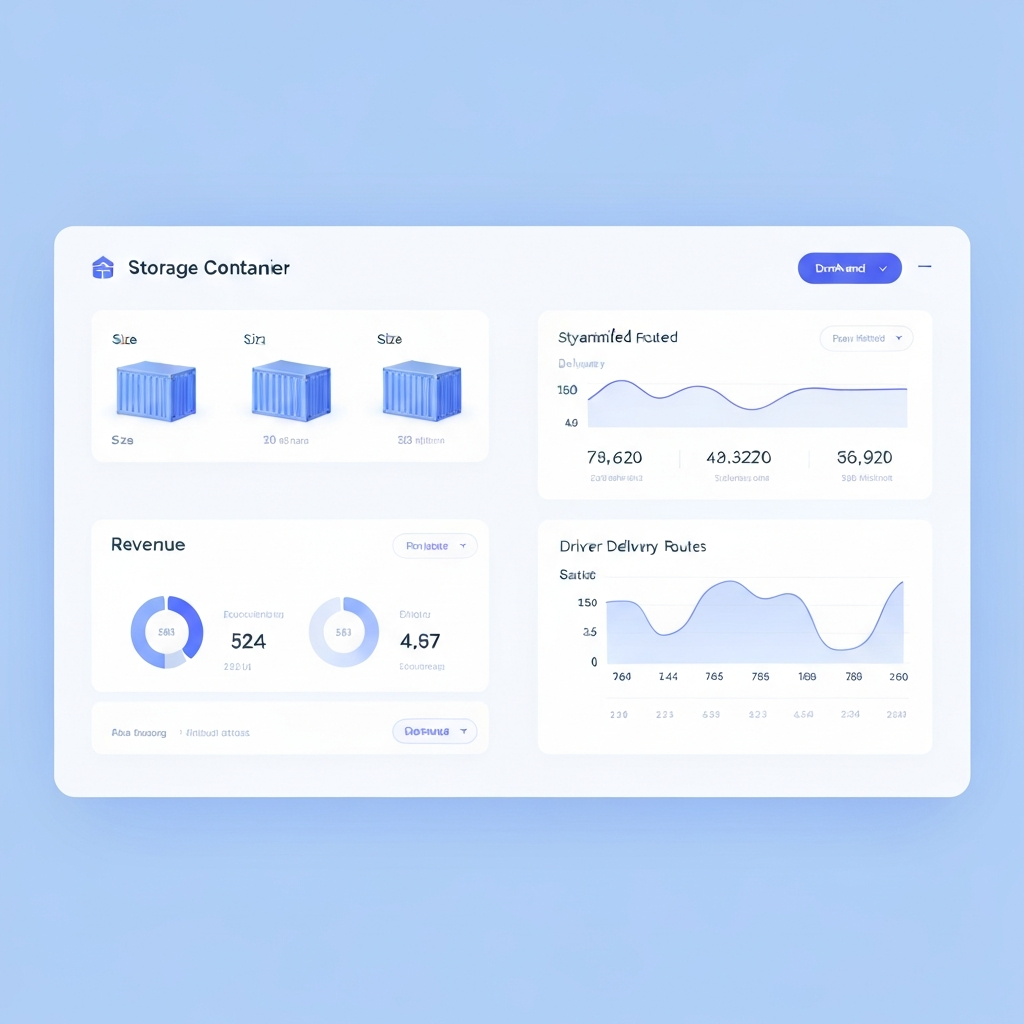
The portable storage container rental industry is booming. From construction sites needing secure tool storage to homeowners undertaking major renovations, the demand for flexible, secure, and on-demand storage is higher than ever. Starting a storage container rental business can be incredibly lucrative, thanks to high margins and recurring revenue models.
However, succeeding in this industry requires more than just buying a few shipping containers. You need a solid understanding of logistics, delivery scheduling, inventory management, and customer acquisition. This guide will walk you through everything you need to know to start and scale a profitable storage container rental business.
1. Market Research and Business Planning
Before investing capital, you must understand your local market. Who are your potential customers? What are your competitors charging?
- Identify Your Target Audience: Will you focus on B2B (construction companies, retail stores, industrial sites) or B2C (residential moves, home renovations, disaster recovery)? B2B clients often rent longer and require multiple units, while B2C rentals might be shorter but command higher monthly rates.
- Analyze the Competition: Look at local and national competitors. What sizes do they offer? How much do they charge for delivery and pickup? What is their monthly rental rate?
- Create a Business Plan: Outline your startup costs, projected revenue, marketing strategy, and operational plan. This is essential if you plan to seek financing from a bank or investors.
2. Securing Funding and Purchasing Inventory
Storage containers are significant capital investments. A standard used 20-foot shipping container can cost anywhere from $1,500 to $3,000, while a new "one-trip" container can cost $3,000 to $5,000.
- Choose the Right Container Sizes: The most common sizes are 10-foot, 20-foot, and 40-foot containers. Start with 20-foot containers, as they are the most versatile and easily fit into residential driveways and standard parking spaces.
- New vs. Used: Used containers (often graded as "Wind and Water Tight" or WWT) are cost-effective but may have dents and rust. New (one-trip) containers look professional and require less maintenance, which is ideal if you are targeting residential customers who care about aesthetics.
- Financing Options: Consider equipment financing, SBA loans, or leasing options to acquire your initial fleet without depleting your working capital.
3. Acquiring the Right Delivery Equipment
You can't rent containers if you can't deliver them. The equipment you choose will define your operational capabilities.
- Tilt-Bed Trailers: The most common and cost-effective way to deliver containers. The trailer tilts back, and the container slides off onto the ground. This requires ample linear space to drop the container.
- Side-Lifter Trailers: These trailers have hydraulic cranes that lift the container off the side. They are excellent for tight spaces but are significantly more expensive.
- Mule Delivery Systems: A small, remote-controlled machine (often called a "Mule") can maneuver containers into incredibly tight residential spaces where a truck cannot fit. This is a premium service that can set you apart from competitors.
4. Establishing a Secure Storage Yard
You need a place to store your containers when they are not on rent. Your yard needs to be secure, accessible, and properly zoned.
- Zoning and Permits: Ensure your chosen location is zoned for industrial or commercial use and permits the storage of shipping containers.
- Security: Invest in high-quality fencing, security cameras, and adequate lighting to protect your assets from theft and vandalism.
- Accessibility: Your yard must be large enough for your delivery trucks to maneuver easily. A compacted gravel or paved surface is essential to prevent trucks from getting stuck in the mud.
5. Implementing Storage Container Rental Software
Running a storage container business using whiteboards and spreadsheets will quickly lead to lost inventory, missed deliveries, and billing nightmares. You need specialized software from day one.
A robust software system will help you manage:
- Inventory Tracking: Know exactly which containers are deployed, which are in the yard, and which are under repair.
- Delivery and Pickup Scheduling: Route optimization ensures your drivers are taking the most efficient paths, saving time and fuel.
- Automated Recurring Billing: Storage rentals are a recurring revenue business. Software automates the 28-day or monthly billing cycles, automatically charging credit cards on file.
Ready to streamline your operations?
If you want to automate scheduling, inventory tracking, and billing, check out our Storage Container Rental Software. Built specifically for mobile storage operators, it's the operating system you need to scale efficiently.
Get a Free Demo6. Pricing Your Storage Container Rentals
Your pricing structure needs to cover your costs while remaining competitive. You will typically charge for three things:
- Delivery Fee: A flat fee or mileage-based fee to drop off the container.
- Monthly Rental Rate: The recurring fee for keeping the container. Consider offering discounts for long-term commitments (e.g., 6+ months).
- Pickup Fee: A fee to retrieve the container when the rental period is over.
7. Marketing and Acquiring Customers
Once you have your containers, equipment, and software in place, it's time to get customers.
- Local SEO: Optimize your website for keywords like "storage container rental near me" or "portable storage in [City]." Claim your Google Business Profile and gather positive reviews.
- B2B Networking: Reach out to local general contractors, restoration companies, and retail managers. These businesses frequently need on-site storage and can become reliable, long-term clients.
- Online Booking: Allow customers to book containers directly from your website. A seamless online booking experience can significantly increase your conversion rates.
Conclusion
Starting a storage container rental business requires significant upfront investment, but the recurring revenue model makes it highly rewarding. By focusing on efficient logistics, investing in the right equipment, and utilizing powerful management software, you can build a scalable and highly profitable operation.
Frequently Asked Questions
How much does it cost to start a storage container rental business?
Startup costs can range from $50,000 to over $200,000, depending on whether you buy new or used containers, the type of delivery truck you purchase, and yard leasing costs. Financing can help reduce the initial cash outlay.
Are storage container rentals profitable?
Yes, they can be highly profitable. Once the initial cost of the container is paid off, the ongoing maintenance costs are very low, resulting in high profit margins on monthly rental fees.
Do I need special permits to rent storage containers?
Permit requirements vary by municipality. While you generally don't need a permit to own the containers, your customers may need permits to place them on the street or in residential areas for extended periods.