
How to Start a Portable Toilet Rental Business
The portable sanitation industry is highly resilient, offering consistent recurring revenue through construction sites, events, and long-term contracts. Here is your comprehensive guide to launching a profitable portable toilet rental business.
1. Market Research and Business Planning
Before buying your first porta potty, you need to understand your local market. The portable toilet rental business generally serves two main segments:
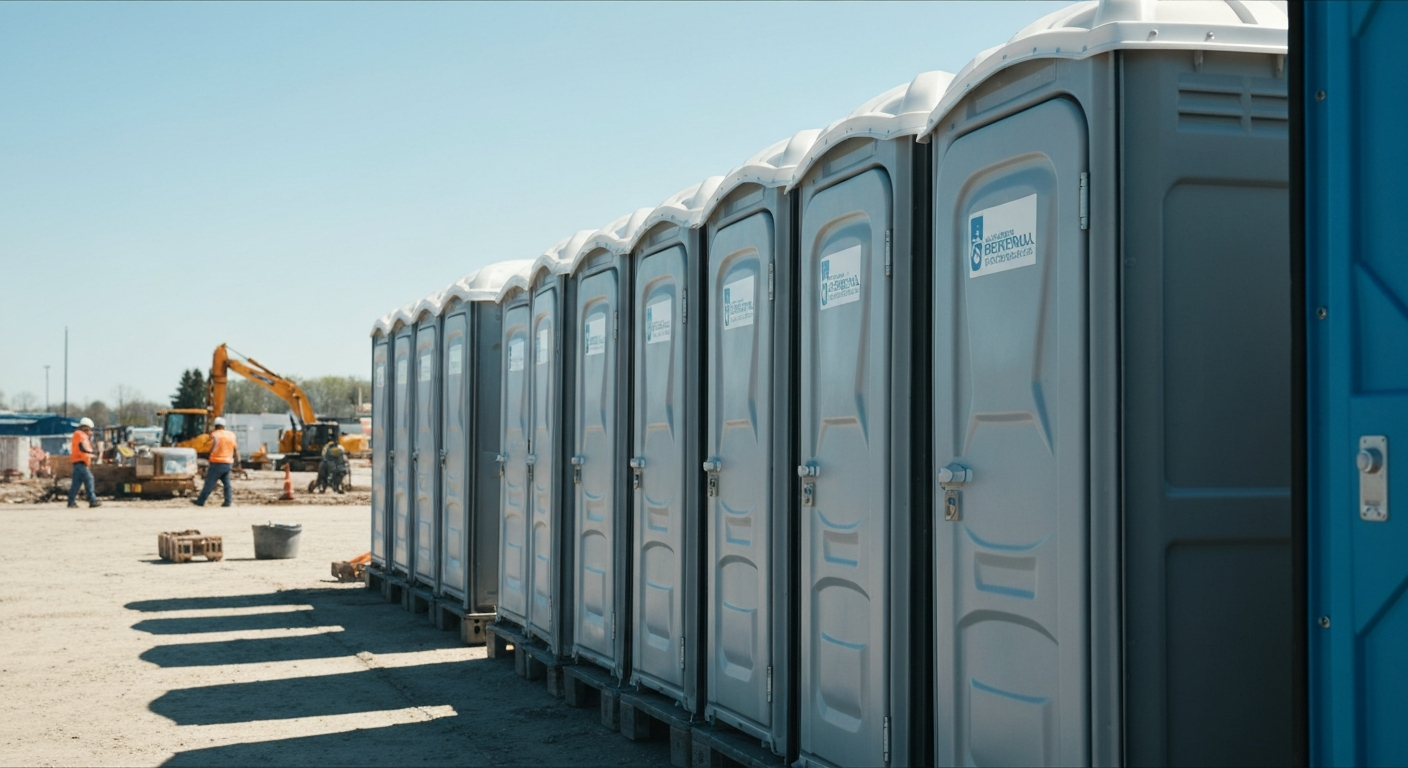
- Construction Sites: Residential and commercial building sites need long-term rentals with weekly servicing. This is the bread and butter of the industry, providing steady recurring revenue.
- Special Events: Weddings, festivals, and outdoor concerts require short-term rentals, often including luxury restroom trailers or VIP units. These command higher margins but require intense weekend logistics.
Write a business plan detailing your target market, initial capital requirements, and pricing strategy. Check local zoning laws for where you can store your units and park your pump trucks.
2. Purchasing Equipment and Inventory
Your initial capital investment will be significant. Here is what you need to get started:
The Pump Truck
Your pump truck (or slide-in pumper unit for a flatbed) is your most important asset. A standard vacuum truck will cost between $50,000 and $150,000 depending on whether it is new or used. Ensure it has separate tanks for fresh water and waste, along with a high-quality vacuum pump.
Portable Toilet Units
Standard portable toilets cost between $500 and $800 each. You will also need ADA-compliant units (wheelchair accessible), which cost around $1,500 each. Hand wash stations are increasingly required by OSHA on construction sites and cost around $200-$400 each.
Chemicals and Supplies
You will need deodorizers (the blue liquid), toilet paper, hand sanitizer, and cleaning supplies. Buy these in bulk from specialized sanitation suppliers.
3. Setting Up Your Operations
Operational efficiency is the difference between a profitable portable toilet business and a failing one. You need a secure yard to store your units, a place to legally dispose of waste (usually a municipal wastewater treatment plant), and a system to track your assets.
Waste disposal fees (dump fees) vary widely by municipality. You must establish an account with your local treatment facility and understand their pricing structure—whether it's per gallon or per load.
4. Routing and Servicing Logistics
In the portable toilet business, you aren't just renting equipment; you are selling a service. Construction units typically require servicing once a week. This involves:
- Pumping out the waste tank
- Cleaning and sanitizing the interior
- Restocking toilet paper and hand sanitizer
- Refilling the tank with fresh water and deodorizer
Route density is crucial. If your driver has to drive 30 minutes between stops, your profit margins will vanish. You need to group your services geographically.
Automate Your Operations Early
If you want to automate scheduling, routing, and billing, check out our Portable Toilet Rental Software. It handles asset tracking, recurring 28-day billing, and route optimization all in one place.
5. Pricing Your Portable Toilet Rentals
Pricing depends heavily on your region, but a standard construction rental is typically billed on a 28-day cycle. This is an industry standard because it gives you 13 billing cycles per year instead of 12.
A standard rate might be $100 to $150 per 28-day cycle, which includes one service per week. If a contractor requires twice-a-week servicing, you charge a premium. Event pricing is usually a flat rate for the weekend, factoring in delivery, pickup, and the fact that the unit won't generate revenue during the week.
6. Marketing and Getting Customers
To get your first customers, hit the pavement. Drive around to new residential subdivisions and commercial construction sites. Look for the general contractor's sign and call them. Offer them a competitive rate for their next project.
Build a professional website optimized for local SEO (e.g., "porta potty rental [Your City]"). Make sure your branding is highly visible on your units—every toilet on a job site is a billboard for your business.
Frequently Asked Questions
How much does it cost to start a portable toilet business?
Starting a portable toilet business typically requires between $75,000 and $200,000, depending on whether you buy new or used trucks and how many initial units you purchase.
How much profit does a porta potty make?
A single standard unit rented to a construction site can generate $1,300 to $1,900 per year. After factoring in fuel, labor, dumping fees, and chemicals, net profit margins in the industry typically range from 15% to 25%.
Where do porta potty trucks dump the waste?
Pump trucks dispose of waste at municipal wastewater treatment plants or approved commercial dumping facilities. You must pay a dumping fee and comply with environmental regulations.